Hyper-pigmentation vs Hypo-pigmentation
Hyperpigmentation vs Hypopigmentation
Skin discoloration is one of the most common concerns showing up in dermatology offices this year, and experts say many people are mixing up two very different conditions: hyperpigmentation and hypopigmentation. While both affect skin tone, they require completely different treatment approaches — and choosing the wrong one can actually make the problem worse.
Dark Spots vs Light Patches
Skin discoloration has become one of the most common concerns patients bring to dermatology and medical aesthetics clinics in 2024. Yet many people still confuse hyperpigmentation—the darkening of the skin due to excess melanin—with hypopigmentation, which occurs when the skin loses pigment and appears lighter in patches. While both conditions affect the skin tone, they develop for completely different reasons and require different treatment strategies. Hyperpigmentation often forms after acne, sun exposure, or inflammation, showing up as dark spots, melasma, or uneven tone. Hypopigmentation, on the other hand, can be caused by vitiligo, fungal infections like tinea versicolor, or skin trauma that disrupts melanocyte function. Because these conditions behave differently at a cellular level, choosing the wrong treatment can slow progress or even make discoloration more noticeable.
How Do Lasers Help Treat Pigmentation Disorders
Medical lasers play a significant role in treating pigmentation concerns — but only when used correctly for the right condition. For hyperpigmentation, lasers such as pico lasers, Q-switched devices, and selective wavelength platforms target excess melanin and break it into smaller particles, allowing the body to safely clear them. These treatments can dramatically reduce dark spots, sun damage, and melasma when paired with sunscreen and pigment-balancing skincare. However, using pigment-removing lasers on hypopigmented areas is not only ineffective — it can create even more contrast between treated and untreated skin. When used appropriately, laser treatments can significantly improve both types of pigment conditions — but the success lies in matching the correct technology to the correct diagnosis. For anyone noticing new dark or light patches, early evaluation can make laser treatments more effective and help restore a more even, healthier-looking complexion. If you have any questions on pigmentation and how medical lasers can treat specific pigmentation disorders, feel free to reach out to our team in the ‘Contact Us’ page.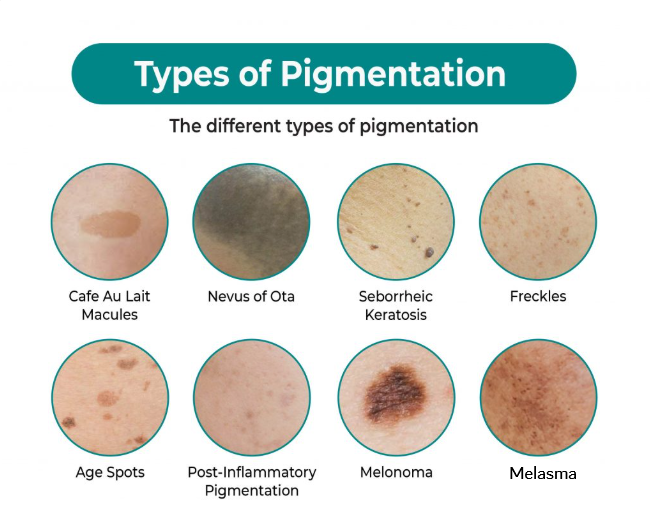
Featured Products
NanoVive
PhotoVive
PrimaVive
DuoVive
NeoVive
Get the Brochure
Download our comprehensive brochure to explore our full range of products and services.
Request PDF